What Is E-Waste? Understanding E-Waste Management and Recycling in India
Let’s be real: electronic devices have completely taken over our lives. From smartphones and laptops to televisions and kitchen appliances, we’re surrounded by technology every single day. But here’s a question most of us don’t stop to think about: what actually happens to all these gadgets once they stop working or become outdated?
That’s exactly where e-waste, short for electronic waste, enters the picture. With technology advancing at lightning speed, millions of electronic devices get tossed out every single year. This makes e-waste management one of the biggest environmental headaches the world is dealing with right now. And here in India, where smartphone adoption is skyrocketing and electronics are everywhere, responsible e-waste recycling in India has never been more critical.
In this guide, we’ll break down what is e-waste, why it’s becoming such a massive concern, how e-waste recycling actually works, and most importantly what you and I can do to reduce our own impact.
What Is E-Waste?
What precisely is e-waste, then? In a nutshell, it describes any abandoned electrical or electronic equipment that is no longer in use. Perhaps you recently upgraded to something more modern and glossy, or perhaps it's broken or out of date.
Here are some common examples of electronic waste you’ve probably encountered:
Smartphones
Laptops and desktops
Tablets
Televisions
Printers
Chargers and cables
Batteries
Headphones
Smartwatches
Home appliances
Here’s the thing, though: not every old device automatically becomes waste. Many of these products can be repaired, refurbished, reused, or recycled, giving them a much longer life before they reach the end of the road.
Why Is E-Waste a Growing Problem?
Technology isn’t slowing down anytime soon. People are upgrading their smartphones every couple of years, swapping out laptops for better performance, and picking up newer gadgets packed with improved features.
Sure, these upgrades make our lives more convenient. But they also come with a downside a rapidly growing mountain of electronic waste.
Here are some of the biggest reasons why e-waste is piling up so fast:
Shorter device replacement cycles
Rapid technological advancements
Limited repair options for older devices
Consumer demand for newer models
Lack of awareness about proper disposal
With electronic waste continuing to grow at an alarming rate, managing it responsibly has become a global priority.
Why Is Electronic Waste Harmful?
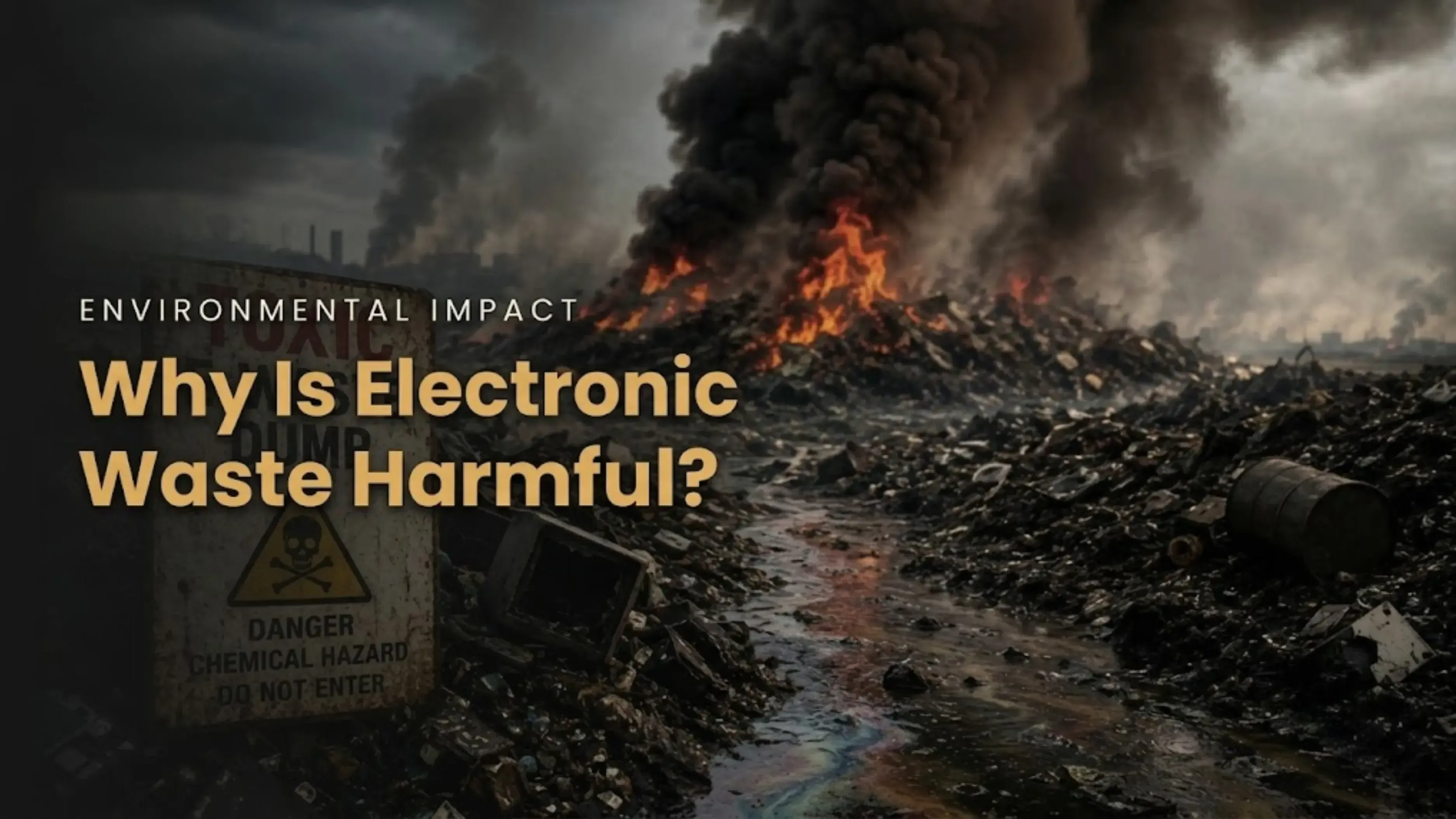
Unlike your regular household trash, e-waste contains materials that require careful handling. Tossing it in the bin isn’t just careless; it’s actively harmful.
Here’s why:
Environmental Pollution
Many electronic devices contain substances that can leach into soil and water if they’re dumped in landfills. That contamination doesn’t just disappear; it sticks around.
Air Pollution
When electronic waste gets burned, which unfortunately happens in some places, it releases toxic gases and pollutants into the air we breathe. Not exactly ideal.
Loss of Valuable Resources
Old electronics are packed with useful materials, such as copper, aluminum, gold, silver, and rare earth metals. When we throw devices away, we’re essentially tossing those resources into the trash rather than recycling them properly.
Health Risks
People involved in unsafe recycling practices often come into contact with hazardous materials without proper protection. This isn’t just an environmental issue; it’s a human one.
Understanding E-Waste Management
So what does e-waste management actually involve? It’s the entire process of collecting, repairing, refurbishing, recycling, and safely disposing of discarded electronic products.
A solid e-waste management system generally includes:
Gathering outdated electronics from customers and companies* Sorting gadgets according to their state
Fixing items that are still repairable
Repairing working devices so they can be used again
Recovering valuable materials by recycling e-waste
Safe disposal of non-recyclable parts
The end goal is pretty straightforward: reduce environmental damage while recovering as many valuable resources as possible.
E-Waste Recycling in India
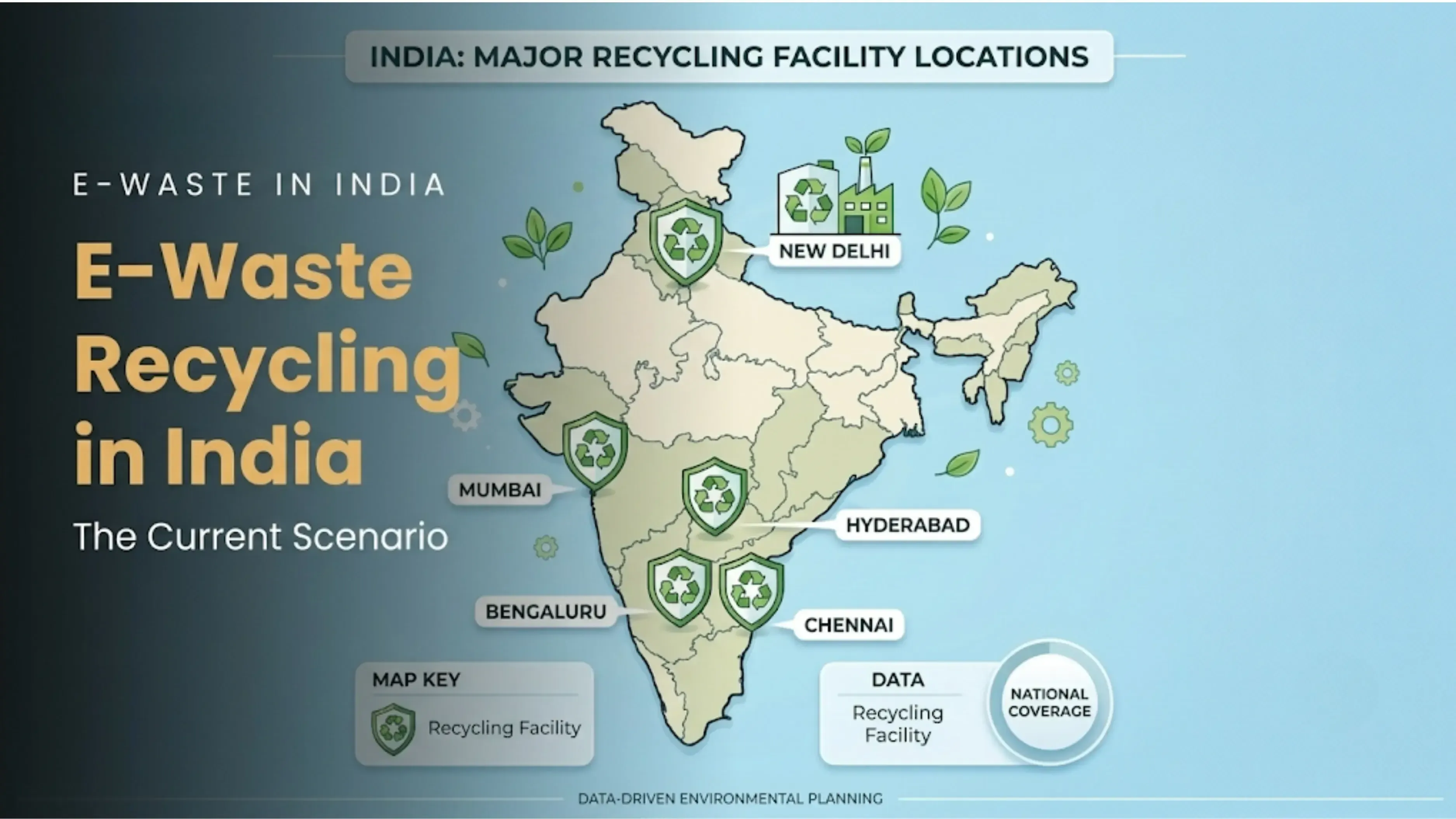
India is one of the world's largest consumers of electronic devices, making e-waste recycling in India absolutely essential.
To promote the appropriate collection and recycling of electronic trash through approved facilities, the government has implemented regulations. These specialized facilities minimize environmental damage by recovering valuable minerals safely. But let’s be honest, there are still some big challenges:
The general public's ignorance about e-waste management
Pervasive unofficial recycling methods
The incorrect disposal of outdated electronics
In certain places, access to approved collection centers is restricted.
Raising awareness about responsible disposal is a crucial step toward improving e-waste recycling in India across the board.
Can Old Electronics Be Reused?
Absolutely, and honestly, this is one of the best ways to tackle the e-waste problem.
Before a device even reaches the recycling stage, it can often get a second life. Many smartphones, laptops, and tablets can still be:
Repaired
Refurbished
Resold
Donated
Reused by someone else
Extending the lifespan of electronics doesn’t just reduce unnecessary waste it also makes technology more affordable for people who might not be able to buy brand new.
How Individuals Can Help Reduce E-Waste
You don’t need to be an environmental expert to make a difference. Here are some simple habits that anyone can adopt:
Use Devices for Longer
Resist the urge to upgrade just because something new came out. If your device still works fine, keep using it.
Repair Before Replacing
Minor repairs can often extend a device’s life by months or even years. It’s worth checking before you give up on it.
Donate Working Electronics
If your device still functions, someone else could probably benefit from it. Donation is a great option.
Choose Responsible Recycling
Always dispose of electronics through authorized e-waste recycling channels. Don’t just toss them in the bin.
Sell Devices Instead of Storing Them
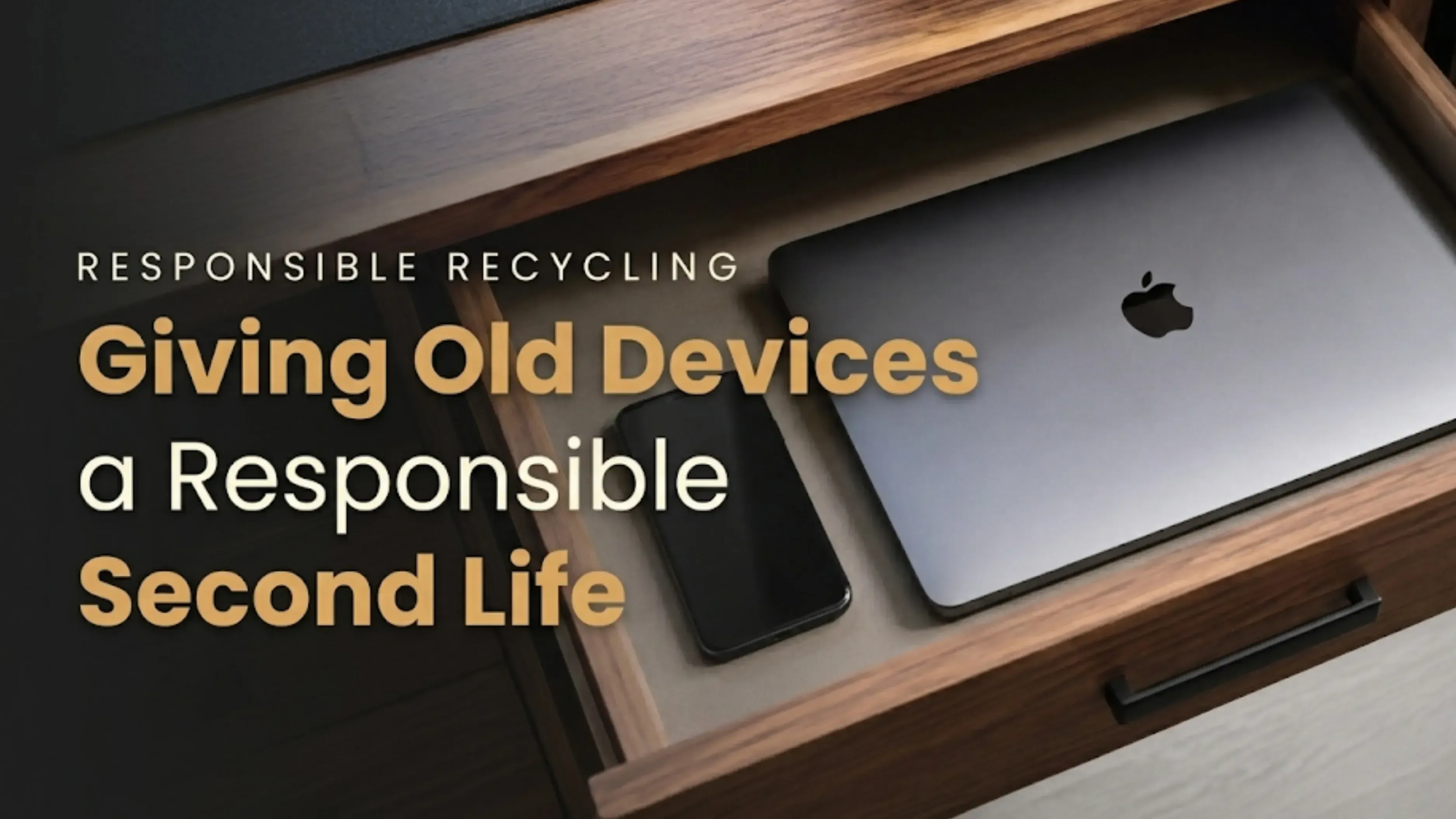
Here’s something a lot of people don’t realize: many old smartphones and laptops still have value even after you’ve upgraded. Instead of letting them gather dust in a drawer, you can actually recover some cash while giving them a responsible second life.
Giving Old Devices a Responsible Second Life
Let’s be honest, most of us have at least one old phone or laptop sitting in a drawer somewhere. When we replace an old device, the default reaction is often to just forget about it. But here’s the thing: working electronics can often be refurbished, reused, or responsibly recycled instead of becoming unnecessary waste.
Platforms like Cashkr make the process shockingly easy if you're unsure where to begin. They help you determine the true value of your outdated gadget and connect you with buyers who can repurpose it. Cashkr also ensures that electronics that have truly reached the end of their useful lives are disposed of responsibly, using eco-friendly e-waste management techniques. It's a tiny action that has a significant impact on the environment and your pocketbook. Choosing responsible reuse or recycling isn’t just about decluttering. It’s about recognizing that every device has value, even after we’re done with it.
Wrapping It Up
Understanding what is e-waste is the first step toward making more responsible choices with our electronic devices. As technology continues to advance, electronic waste will remain one of the fastest-growing waste streams worldwide.
We can all help create a cleaner, more sustainable future by encouraging responsible e-waste management, selecting appropriate e-waste recycling in India, repairing gadgets when feasible, and prolonging the life of electronics before disposal.
Every smartphone, laptop, or electronic device deserves a responsible end-of-life journey and every small action helps reduce the growing problem of e-waste.
FAQs
1. What is e-waste?
E-waste refers to discarded electrical and electronic devices such as smartphones, laptops, televisions, batteries, and household appliances. Essentially, any electronic product that’s no longer in use falls into this category. The term covers everything from broken gadgets to perfectly functional devices that have simply been replaced.
2. Why is e-waste a problem?
Inadequate disposal can result in resource depletion, environmental contamination, and major health hazards for those engaged in risky recycling. Toxic elements can seep into the soil and water when electronic waste ends up in landfills. Hazardous gases are released when it burns, and precious metals like copper and gold are wasted rather than recovered.
3. What is e-waste management?
The collection, repair, refurbishing, recycling, and secure disposal of electronic trash constitute e-waste management. It's a comprehensive approach that aims to recover valuable resources while minimizing environmental harm. Everything from securely handling hazardous components to sorting equipment is part of the process.
4. What is e-waste recycling?
E-waste recycling is the process of recovering valuable resources from abandoned electronic devices while safely handling hazardous components. It extracts valuable metals like copper, silver, and gold using particular techniques. The goal is to lessen the demand for virgin mining while preventing harmful minerals from polluting the environment.
5. Why is e-waste recycling in India important?
India generates a massive volume of electronic waste, making responsible e-waste recycling in India essential for protecting the environment and conserving valuable resources. With the country’s rapidly growing electronics consumption, proper recycling helps prevent pollution and reduces dependence on raw material imports. It also creates opportunities for formal, safe employment in the recycling sector.
6. Can old smartphones be recycled?
Yes. Old smartphones can be repaired, refurbished, reused, or recycled through authorized facilities. Many components inside a smartphone—including metals, plastics, and even some rare earth elements—can be recovered and reused. If the phone still works, selling or donating it is an even better option than recycling.
7. What items are considered electronic waste?
Phones, laptops, chargers, batteries, televisions, printers, tablets, cables, and many other electronic products all fall under the category of electronic waste. Even smaller items like earphones, smartwatches, and power banks count as e-waste. Essentially, if it runs on electricity or batteries and is no longer in use, it’s considered electronic waste.
8. How can I reduce e-waste at home?
Use gadgets for longer periods of time, fix them when you can, give away functional equipment, and recycle properly through approved ways. Additionally, you might get refurbished products when suitable and steer clear of pointless updates. Over time, you can drastically lower your personal contribution to the e-waste issue by adopting small practices like these.
9. Can valuable materials be recovered from e-waste?
Yes. Metals such as gold, silver, copper, and aluminum can often be recovered through proper e-waste recycling processes. These recovered materials can be used to manufacture new electronics, reducing the need for environmentally destructive mining. In fact, urban mining—recovering metals from old devices—is becoming an increasingly important industry.
10. What should I do with my old electronic devices?
Think about selling, giving, or renovating them if they are still functional. If not, use approved e-waste recycling services to get rid of them. Don't put them in the usual garbage or keep them in drawers forever. If your equipment is really nearing the end of its useful life, platforms like Cashkr can help you assess its worth and make sure it is disposed of properly.
want to recycle your old device? resell it before throwing it , click here